
News & Research
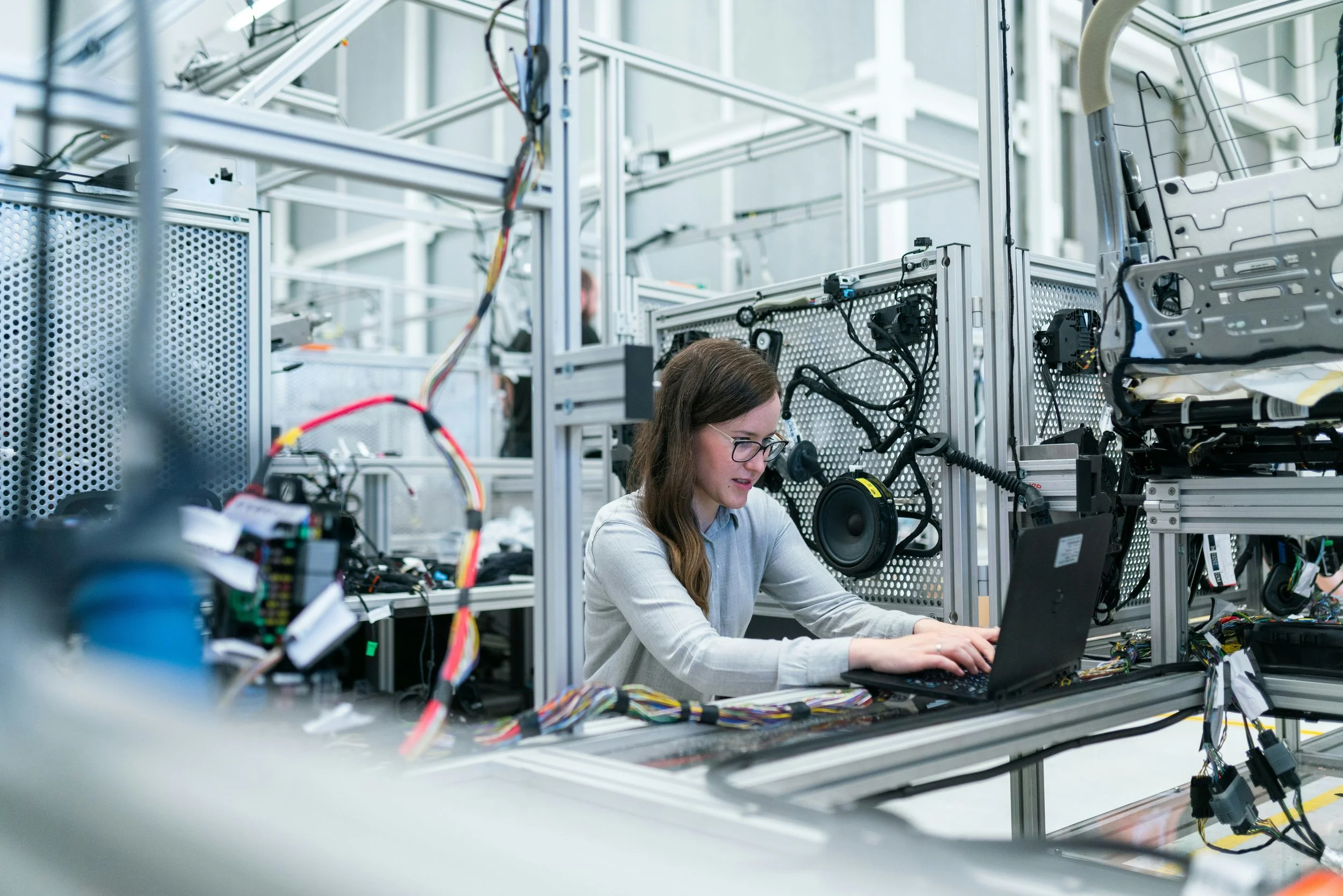
AtomForge AI Is Building an Industrial World Model to Guide Manufacturing Decisions
In the world of industrial manufacturing, making the wrong decision is expensive. Mistakes waste time, money, and resources. Georgia Tech alum and research faculty member Wei Huang is creating a platform that aims to cut the costs of trial and error.
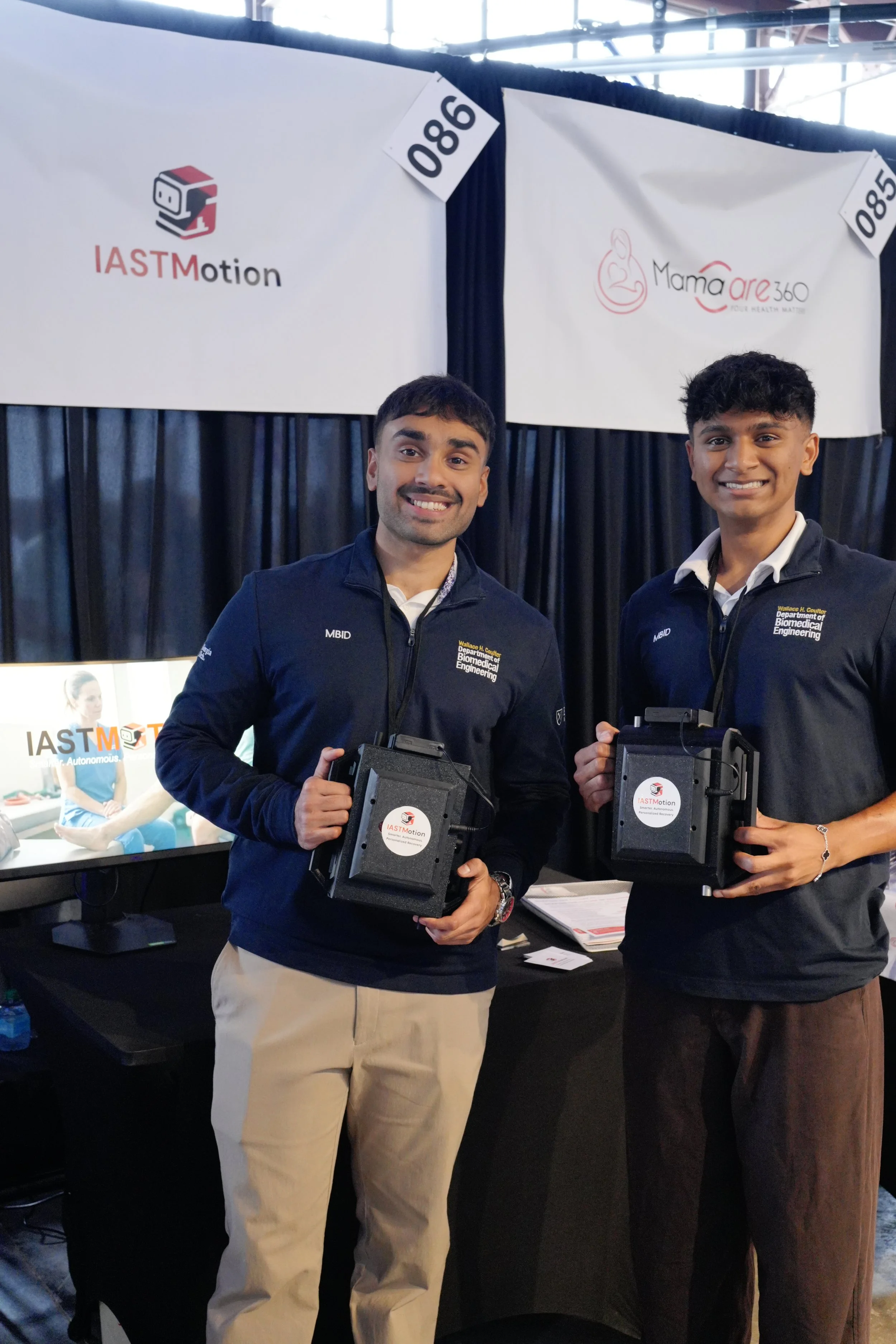
IASTMotion Addresses Physical Therapy’s Pain Point
IASTMotion, a Georgia Tech CREATE-X Startup Summer 2026 Cohort participant, has designed an automated device to replace the manual methods of how instrument assisted soft tissue mobilization (IASTM) is currently done. This MedTech startup realized, thanks to their CREATE-X mentors, that just like practice before a game, they needed to test their ideas and get direct feedback from physical therapists and athletes.

Could Algae be the Solution for Outdated HVAC Systems?
The machine that heats and cools nearly every building in America has barely changed in decades, and it ignores the one thing filling a sealed room: carbon dioxide. VerdeTerra founder Mark Snyder thinks algae can fix both.
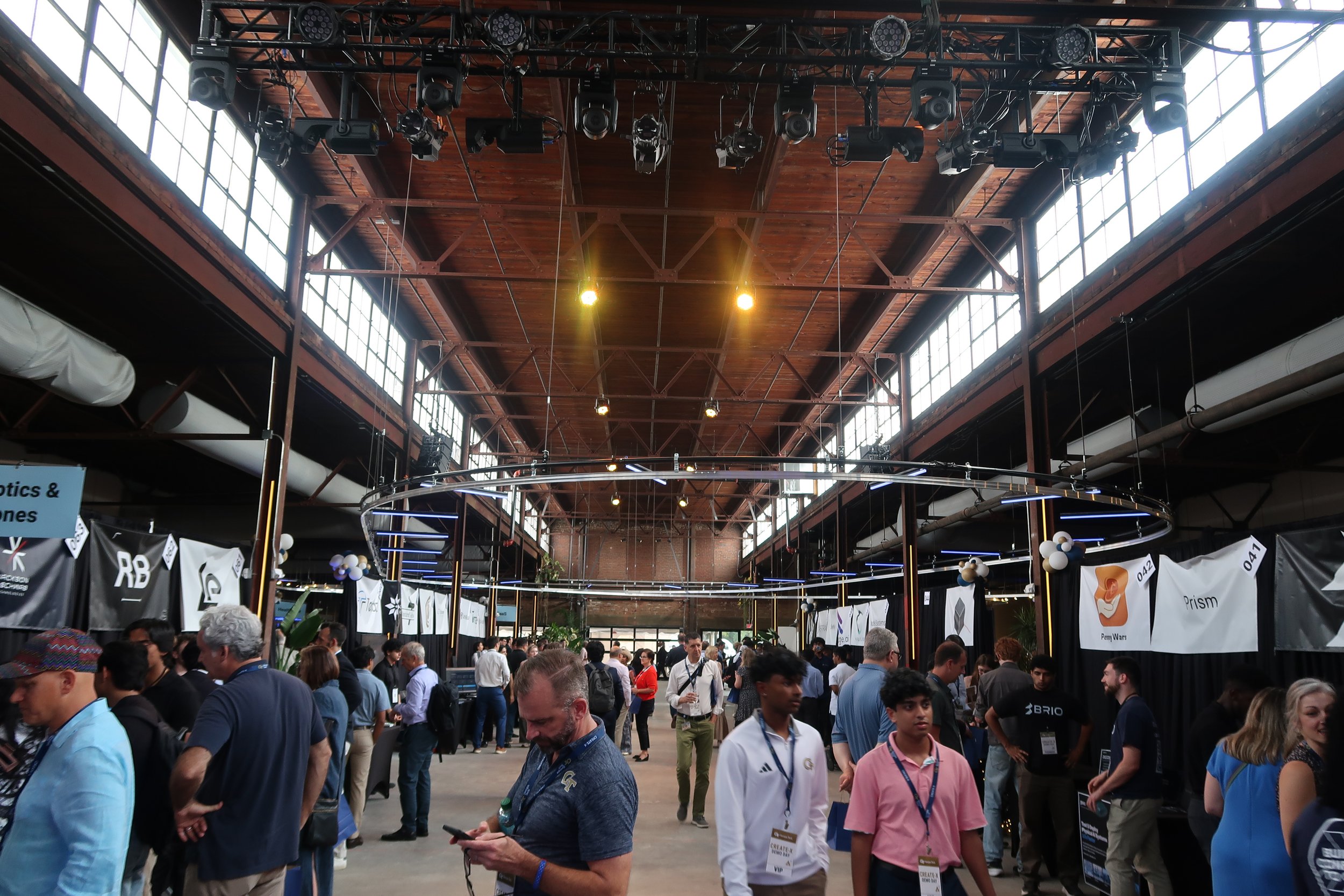
What CREATE-X Taught Me About Bringing European Innovation to the U.S.
After moving from Amsterdam to Atlanta and mentoring founders through Georgia Tech’s CREATE-X, one longtime European tech leader argues that U.S. success starts with learning the market, not just selling to it.
Atlanta’s HackerHouse Takes Over a Former Nightclub, Plans National Campus Expansion.
Last fall, Yamil Quispe Silva was a Georgia Tech senior turning an old campus frat house into a HackerHouse for student entrepreneurs. Now, the recent GT graduate is making an even bigger bet on building a new type of student entrepreneurial hub on campuses…and beyond.

Shaping a Path Forward: Ongoing Influence of Bardzell’s Foundational Feminist HCI Paper
In 2010, Dr. Shaowen Bardzell, a Professor and Chair of Georgia Tech’s School of Interactive Computing, published a foundational paper titled “Feminist HCI: Taking Stock and Outlining an Agenda for Design.” And now, 16 years later, this paper has received over 1,700 citations from researchers all across the world, has provided a systematic way for designers to investigate their assumptions, and continues to inspire researchers, including right here in Tech Square.
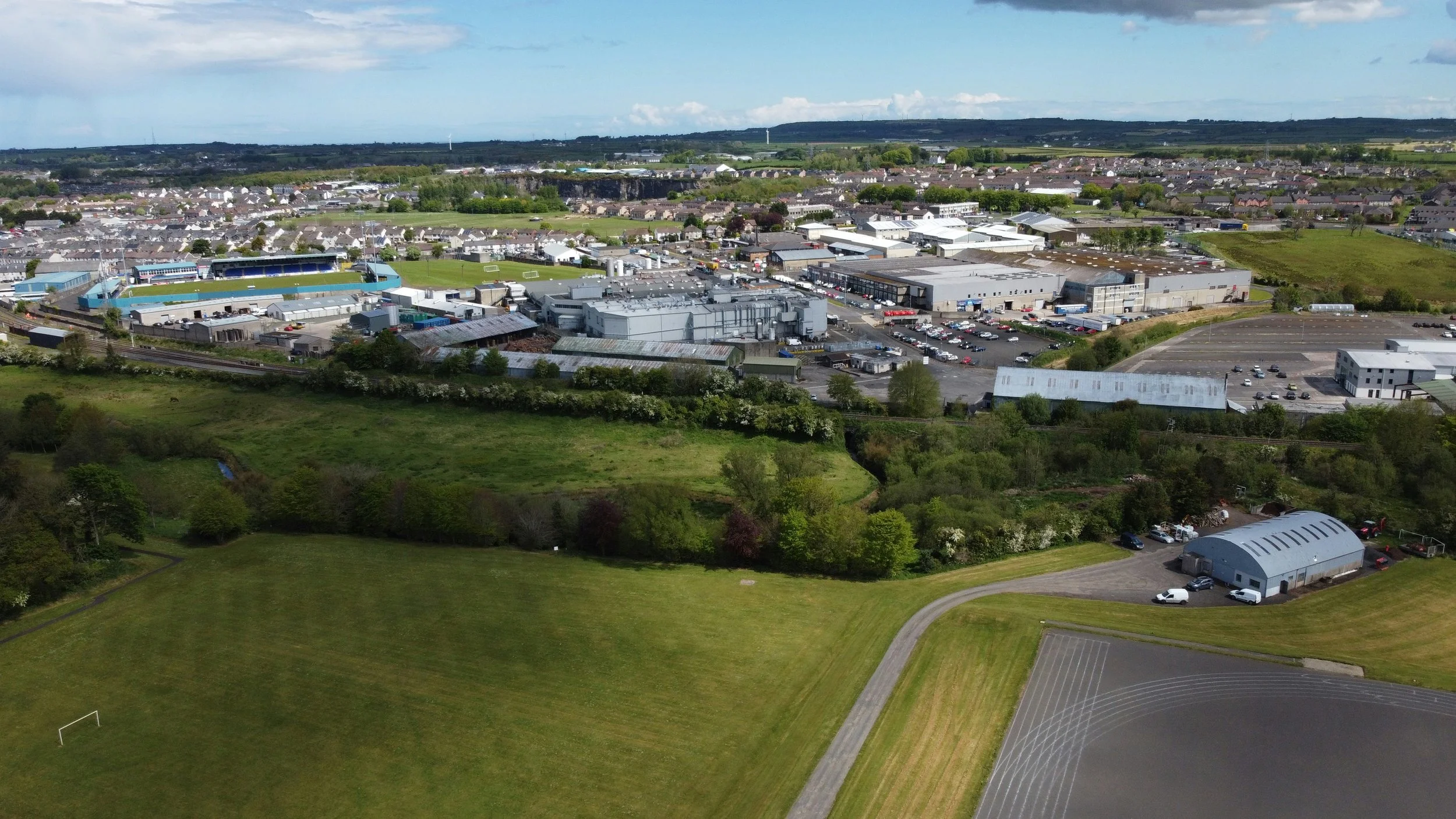
When Is a Site Actually Ready for AI Infrastructure?
AI infrastructure is the physical layer behind artificial intelligence: the places where computing happens, along with the required power, fiber, cooling, and land. At first, determining site readiness for artificial intelligence infrastructure sounds straightforward. Find a property. Check the land and building. Look at the zoning. See whether power and fiber are nearby. Work through the economics. But once you start verifying those factors, “site readiness” gets harder to define.

Traffic Signals That Learn
Traffic signals that learn to retime themselves can cut driver delays, the stop-and-go crawl past night crews and the near-misses that put road workers at risk, a new simulation study says. The difference between these AI-driven signals and conventional traffic signals is simple: instead of following a timing plan set weeks earlier, they watch the traffic in front of them and respond as conditions change.
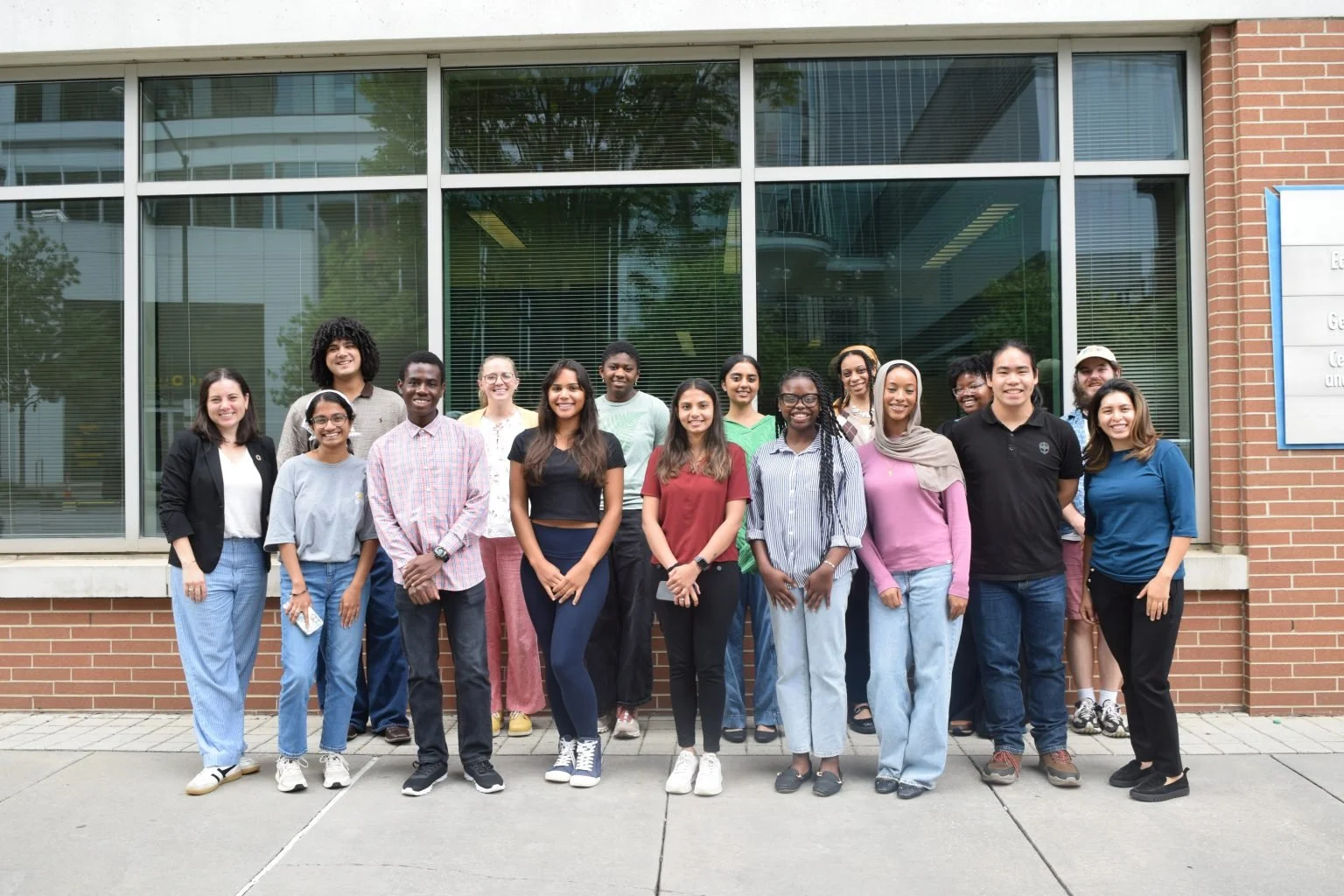
Local Solutions to Global Problems: The SDG Futures Fellowship Experience
While enrolled at Spelman College, Naomi Wagner was seeking opportunities to bring together her interests in civic engagement, environmental justice, sustainability, and education. When she learned about the SDG Futures Fellowship, Wagner couldn’t wait to apply. The United Nations Sustainable Development Goals are at the core of the SDG Futures Fellowship. “We take a global to local impact approach,” said Anna Tinoco-Santiago, co-lead of the SDG Futures Fellowship Program.

Reaching Where Neurosurgeons Can't
A Georgia Tech lab and an Emory neurosurgeon are teaming up on untethered microrobots designed to reach the deepest, hardest-to-treat corners of the brain.
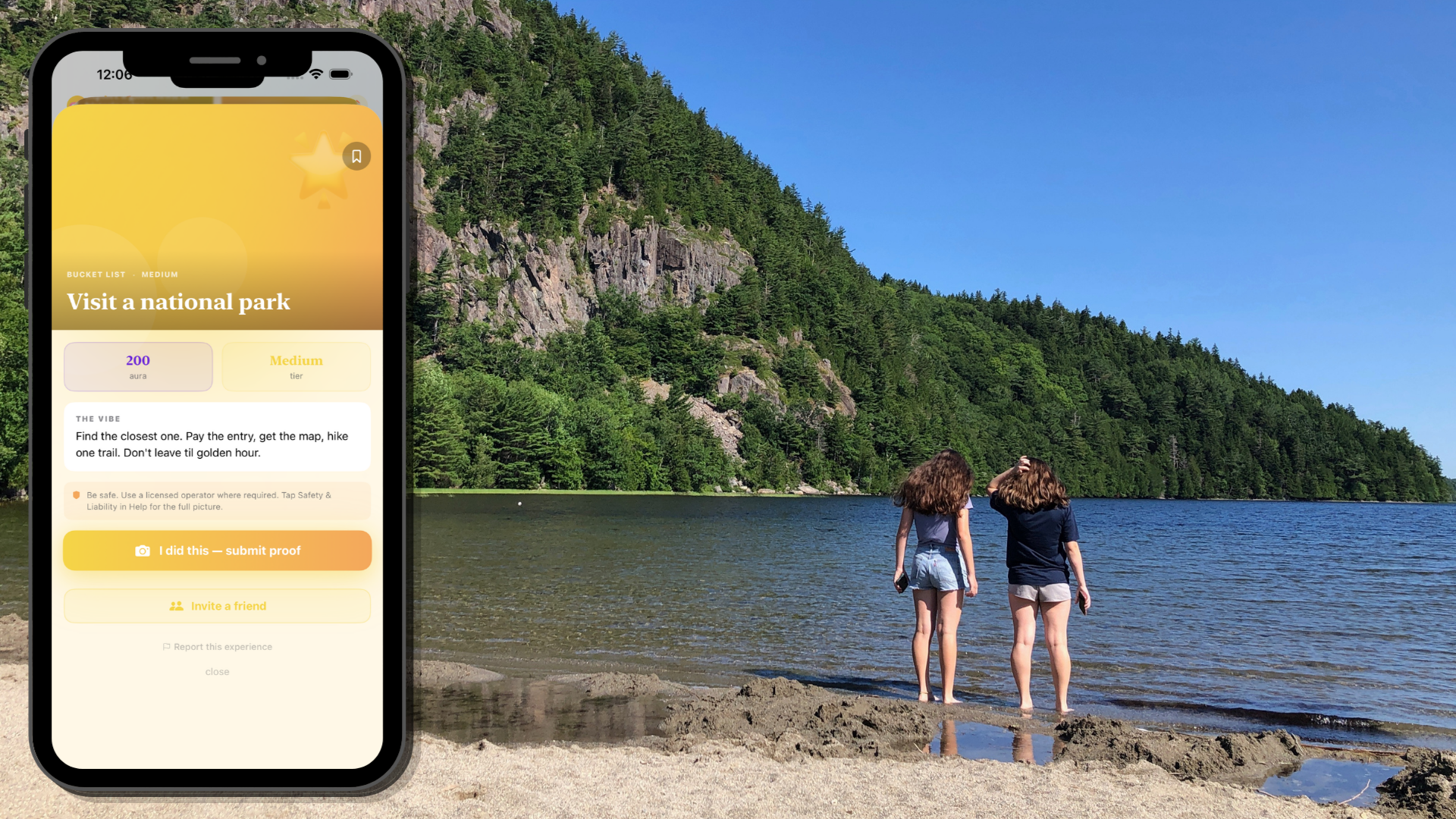
Meet the Fifteen-Year-Old Founder Who Wants to Help You Stop Scrolling
It was Ruth Geller’s last day of ninth grade. She and her friends wanted to celebrate, but they noticed a problem: teens had nowhere to hang out. Instead of giving up and scrolling on her phone, she decided to find a solution. Now, she’s the founder of Vivaly. The app gives users a catalog of free, real-life experiences they can do solo or with friends. The activities range from watching sunsets to making sweet snacks to hosting sleepovers.
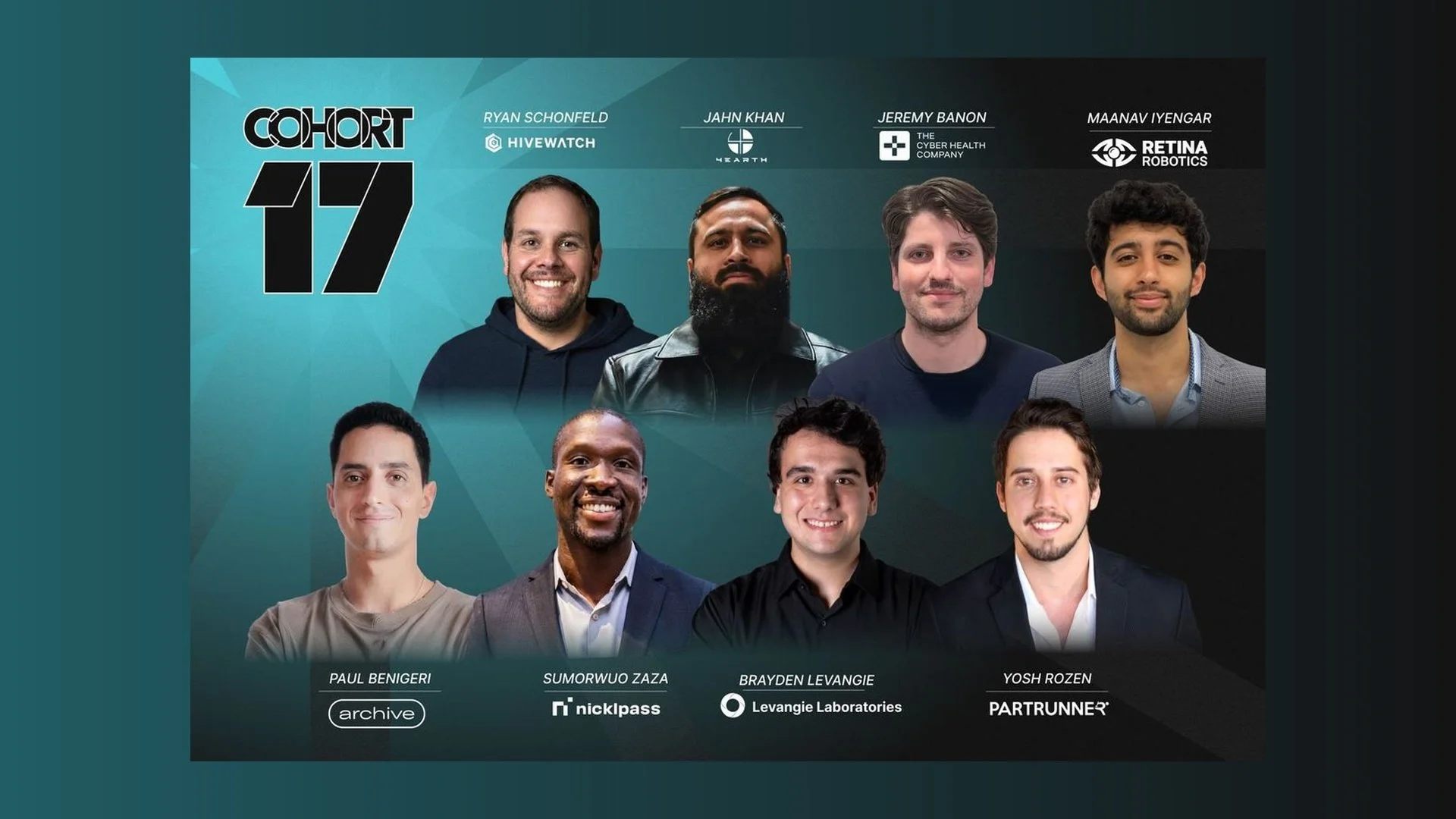
Atlanta’s Engage Selects Eight Startups for Cohort 17 as Corporations Focus on AI and Security
Engage, the corporate venture platform bringing together startups and large enterprises in Atlanta, has announced its 17th cohort. The companies selected come from across the US and Mexico…and the Engage team says they showcase that corporations are looking for more AI and security solutions being built right now by startup founders.

Atlanta Tech Hiring Is Not Frozen. It Is Getting More Intentional.
The layoff headlines miss the real story, writes recruiter Chris Wasserman. Atlanta's tech market has not frozen. It has grown more intentional, rewarding candidates who can show what they will do next.

VinoBarrel’s Next Chapter
Four years after Seth Lytle walked away from a career at IBM to build a smarter way to serve wine, VinoBarrel is entering what its founder calls a defining stretch. "VinoBarrel is at an inflection point," Lytle said. "We're at the point where we're beginning to scale."
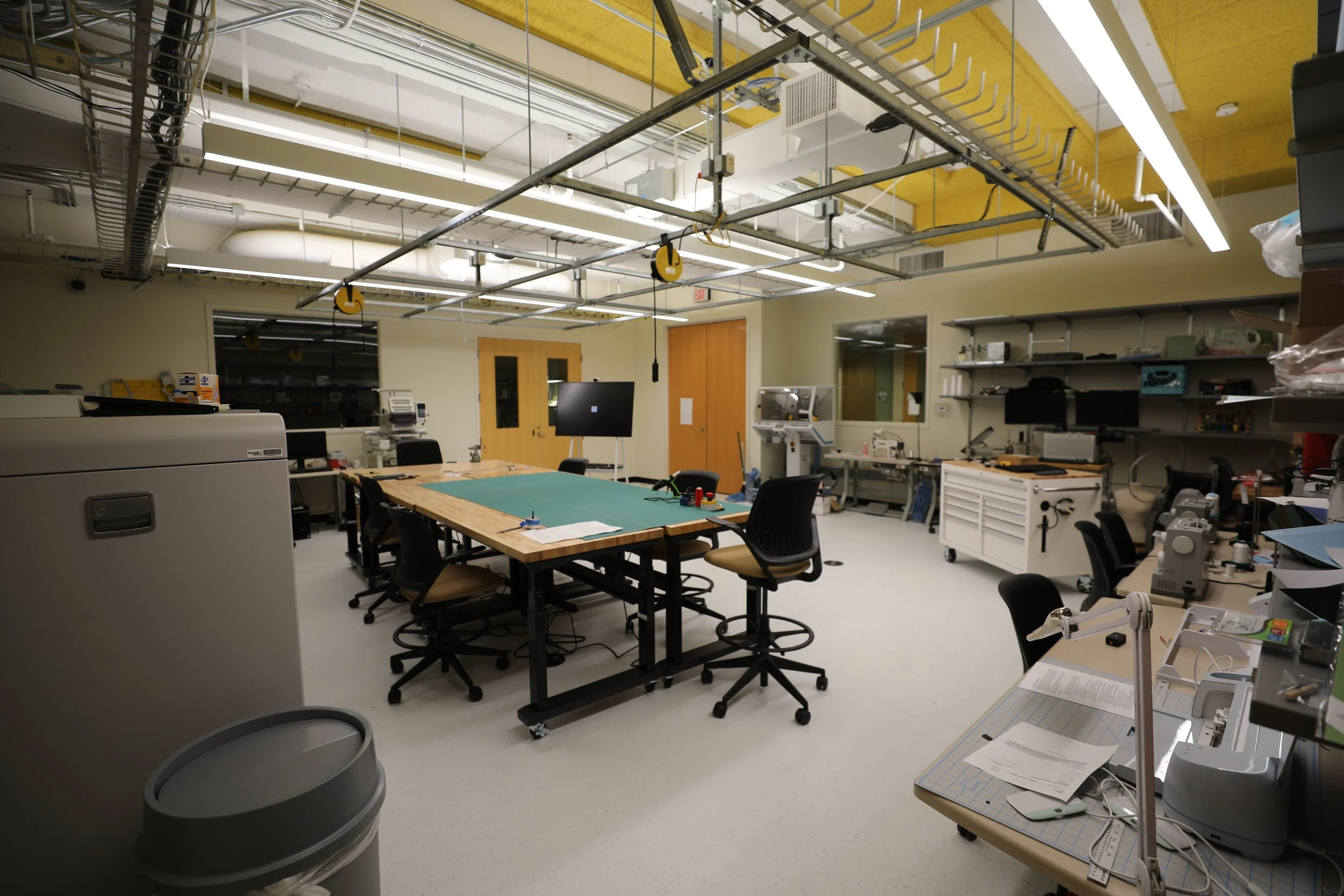
Where Science, Art, and Technology Meet in Tech Square
Innovation often occurs at the boundaries where disciplines meet. Given this, how can practitioners from different disciplines best collaborate to share ideas, ask new questions, and explore new solutions? From the Institute for People and Technology (IPaT) Craft Lab to the SimTigrate Design Center in the Technology Square Research Building (TSRB) and beyond, Tech Square has a variety of organizations that are innovating at and between the boundaries of science, art, and technology.